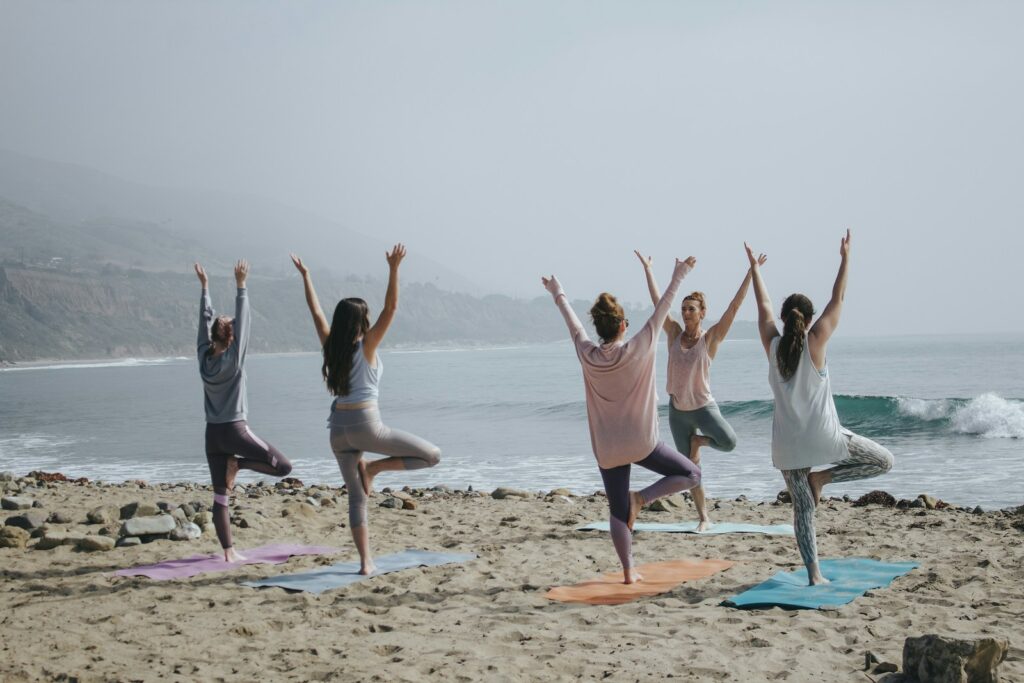
Understanding health and wellness can often feel like navigating through a maze of diet fads, conflicting exercise advice, and the latest wellness trends. However, at its core, leading a well-rounded, healthy lifestyle can be simplified into foundational pillars that offer a balanced approach to both mental and physical well-being. These pillars act as guiding principles to help you create a lifestyle that supports your overall health.
The concept of the five pillars of health and wellness emphasizes vital areas of your life that contribute substantially to your overall well-being. Think of these pillars as the support structure of a bridge, with each one playing a crucial role in maintaining the bridge’s stability and strength. Similarly, these pillars – encompassing the physical, mental, emotional, social, and spiritual aspects of health – work together to support and improve your quality of life.
Incorporating these five pillars into your daily routine can help you achieve a sense of balance and resilience. Whether it’s choosing nutrient-dense foods that nourish your body, engaging in regular physical activity, fostering meaningful relationships, pursuing fulfilling activities that align with your values, or finding ways to manage stress and emotions effectively, each pillar plays an essential role. Understanding and applying these principles can lead you towards a happier, healthier life.
Nutritional Health
To optimize your health and wellness, it’s essential to focus on a balanced diet, maintain proper hydration, and understand when to use vitamins and supplements.
Balanced Diet
A balanced diet includes a variety of foods in the right proportions. Your plate should consist of:
- 50% fruits and vegetables: aim for color and variety, and remember that potatoes don’t count toward this goal
- 25% whole grains: opt for brown rice, barley, and whole wheat pasta
- 25% protein: prioritize lean proteins such as poultry, fish, beans, and nuts
Hydration
Staying hydrated is crucial for your body’s functions. Aim to drink at least eight 8-ounce glasses of water per day, which is about 2 liters. Remember that certain conditions may require different amounts of water.
Vitamins and Supplements
Including vitamins and supplements in your diet can be beneficial, especially when you’re lacking specific nutrients. For instance, Vitamin D is essential for bone health and might require supplementation during winter months or if you’re not getting enough sunlight. Always consult with a healthcare provider before starting any new supplement regimen.
Physical Fitness
To optimize your health and wellness, focusing on physical fitness is essential. It encompasses various dimensions like exercising correctly, everyday physical activity, and granting your body the rest it needs to recuperate.
Exercise Routines
Your exercise routines should be well-rounded, incorporating strength, endurance, flexibility, and balance training. Aim to include a combination of cardiovascular activities such as brisk walking or swimming, and strength exercises like weight lifting or resistance bands to cover all these bases.
Activity and Movement
In addition to structured workouts, staying active throughout the day is important. This can be as simple as taking the stairs instead of the elevator or engaging in hobbies that get you moving, such as gardening. Regular movement helps maintain your physical fitness and contributes to overall health.
Rest and Recovery
Giving your body time to recover after workouts is just as important as the exercise itself. Ensure you get adequate sleep, typically 7-9 hours per night, to allow for muscle recovery and overall rejuvenation. Incorporate days of lighter activity or complete rest to prevent overtraining.
Emotional Well-Being
Your emotional well-being is as critical as your physical health. It includes effective stress management, the development of emotional intelligence, and the practice of mindfulness to navigate life’s ups and downs with resilience and composure.
Stress Management
Managing stress is an essential component of emotional well-being. Chronic stress can lead to a variety of health issues, ranging from anxiety to heart disease. It’s important for you to identify stressors in your life and learn techniques to mitigate them. Simple strategies like deep breathing exercises, regular physical activity, and setting realistic goals can help you maintain a more balanced and stress-free lifestyle.
Emotional Intelligence
Emotional intelligence is your ability to understand and manage your own emotions, as well as recognize and influence the emotions of others. Enhancing your emotional intelligence can lead to better relationships and success in your professional life. Key aspects include self-awareness, empathy, and social skills which enable you to navigate social complexities with greater effectiveness.
Mindfulness
Mindfulness is the practice of being fully present and engaged in the current moment. By focusing on the here and now, you can reduce rumination and worry over past or future events. Mindfulness techniques, such as meditation and focused breathing, help calm your mind, leading to improved mental clarity and emotional regulation. This can result in lower levels of stress and increased overall happiness.
Social Wellness
Social wellness involves nurturing yourself by building healthy, supportive relationships, and being an active participant in society. It emphasizes the interdependence between others and you.
Relationship Building
Your ability to establish and maintain positive relationships with family, friends, and colleagues contributes to your social wellness. Invest time in getting to know people, sharing experiences, and building trust. These relationships offer valuable support and guidance.
Communication Skills
Effective communication is a cornerstone of social wellness. It involves both expressing your own needs and feelings clearly, and also being attentive to the messages others are conveying. Practice active listening, and aim to be open, honest, and patient in your interactions.
Community Engagement
Engaging with your community can provide a sense of belonging and purpose. This might involve volunteering, participating in group activities, or attending local events. By connecting with others in your community, you contribute to a larger social network which benefits both individual and collective well-being.