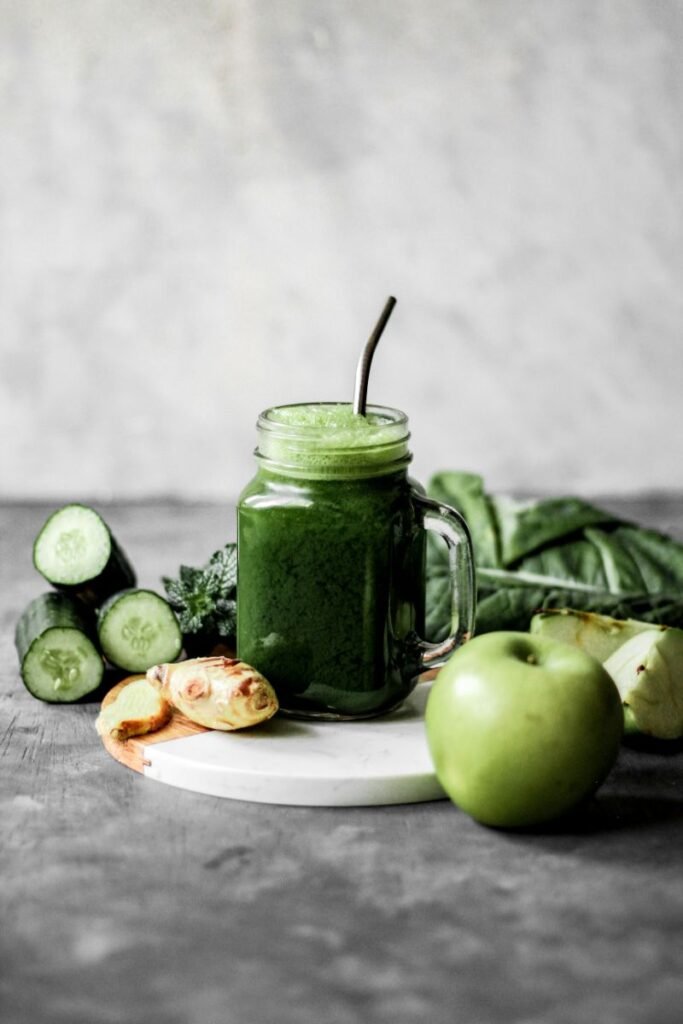
Establishing healthy habits in your 20s lays the groundwork for a prosperous future, reinforcing both your physical health and mental well-being. This crucial decade is a time of transition, discovery, and setting the stage for lifelong practices. Good habits like maintaining a balanced diet with an array of fruits and vegetables, ensuring you’re physically active, and regularly checking in with healthcare professionals can go a long way in fortifying your health.
Your 20s are also an opportunity to build mental and emotional resilience. Initiating routines that prioritize your mental health, such as mindfulness or meditation, can help you navigate life’s ups and downs. Incorporating habits that align with maintaining a healthy lifestyle, such as sufficient sleep, stress management, and forming social connections, not only boosts your present well-being but also sets a positive tone for the years ahead.
Learning to balance work, life, and physical health are essential skills that, once harnessed in your twenties, become invaluable assets. Whether it’s through regular exercise or curbing unhealthy behaviors, the patterns you create now can contribute to a fulfilling and healthy life. Remember, initiating and adhering to these habits doesn’t have to feel monumental—small, consistent changes can lead to significant, lasting benefits.
Nutrition and Diet
Embracing a wholesome diet in your twenties sets the foundation for a healthier you. Here’s how you can make nutrition work for you through balanced meals, meal preparation, and better snack choices.
Balanced Meals
Your body needs a variety of nutrients which means incorporating a mix of food groups into every meal. Aim to fill half your plate with fruits and vegetables, a quarter with lean proteins such as chicken, fish, or legumes, and another quarter with whole grains like brown rice or quinoa.
Meal Planning and Prep
Begin each week with a plan for your meals. It helps save time, reduce stress, and ensure you have the right ingredients for a healthy diet. Draft a meal plan that includes a variety of foods and prep components in advance, like chopping vegetables or cooking grains.
Smart Snacking
Snacks can be a part of your healthy diet when chosen wisely. Go for snacks that contain protein and fiber to keep you feeling full. Things like Greek yogurt with berries, or apple slices with a tablespoon of peanut butter, are great options. Avoid snacking out of boredom or stress, instead listen to your body’s hunger cues.
Physical Activity
In your 20s, laying the foundation for a lifetime of good habits is crucial, and physical activity plays a central role in this. Keeping fit helps manage weight, strengthens muscles, and boosts mood.
Regular Exercise Routine
Aim for balance: Your routine should include a mix of cardio, strength training, and flexibility exercises. The experts suggest a lean body mass index can be maintained with regular physical activity. Try scheduling at least 150 minutes of moderate-intensity cardio throughout the week, and don’t forget to include two days of strength training to build and maintain muscle.
Incorporating Activity into Daily Life
- Make it fun: Choose activities you enjoy to ensure your fitness journey isn’t a chore. Whether it’s cycling, dancing, or hiking, these forms of exercise can be just as effective. Consider simpler options like taking the stairs over the elevator, or establishing a walking or biking commute to incorporate more activity into your everyday life.
Recovery and Rest Days
- Rest is necessary: Your muscles need time to repair and grow after exercising. Integrating regular rest days is essential. Listen to your body—if you’re feeling weary, give yourself permission to take it easy. Quality sleep is also a superhero for your body, as it aids in the recovery process. Focus on establishing a consistent sleep schedule to maximize the benefits of rest.
Mental Wellness
Embarking on your journey through the 20s, maintaining mental wellness is as critical as physical health. You have the power to cultivate resilience, peace of mind, and emotional balance.
Stress Management Techniques
Exercise: Regular physical activity is one of your most effective tools. It’s not only about staying fit; exercise can be a powerful stress reliever. Incorporate activities like running, yoga, or team sports into your routine to help manage stress levels.
Time Management: Your 20s can be busy, but it’s essential to manage your time wisely. Prioritize tasks, set goals, and break them down into actionable steps—this can prevent feelings of overwhelm and reduce stress.
Mindfulness and Meditation
Mindfulness Techniques: Take a moment each day to practice mindfulness. Focus on your breath or the sensations in your body. This habit can ground you in the present and reduce anxiety. To deepen your practice, explore resources for mindfulness and meditation.
Guided Meditation: If you’re new to meditation, start with guided sessions that can be found in apps or online. Just a few minutes a day can enhance your mental clarity and concentration.
Importance of Sleep
Consistent Sleep Schedule: Aim for 7-9 hours of sleep per night and try to wake up and go to bed at the same times every day, even on weekends.
- Maintain a sleep-friendly environment: Keep your bedroom dark, quiet, and cool.
- Limit Screen Time: Reduce exposure to screens before bedtime to improve your sleep quality.
Prioritizing your mental wellness in your 20s sets a solid foundation for a healthy lifestyle and can empower you to achieve your personal and professional goals.
Financial Responsibility
Embracing financial responsibility in your 20s sets a solid foundation for your future. Start by learning how to manage your money wisely through budgeting, committing to saving, and effectively managing your debt.
Budgeting Basics
Creating a budget is your first step to financial control. List your income and expenses, and set clear spending limits. Use tracking tools to monitor your financial flow. Remember that every dollar you don’t spend now can be a step towards future financial freedom. For more insights on budget habits, look at NerdWallet’s guide on How to Manage Money in Your 20s.
Saving for the Future
Your 20s are the perfect time to start saving for long-term goals. Aim to save at least 20% of your income and treat it like a non-negotiable expense. An emergency fund is critical, so begin by stashing away 3-6 months’ worth of living expenses. Interested in more ways to save? Investigate The Balance’s advice on Financial Planning in Your 20s.
Managing Debt
Debt can be a daunting challenge, but it’s crucial to manage it effectively. Tackle high-interest debt first, such as credit card balances, and avoid taking on new debt whenever possible. Student loans require a strategy too; consider consolidation or refinancing if it reduces your interest rate. Understand the full picture of debt management with The Balance’s tips on Good Financial Habits.