Embarking on an art-collecting journey in your 20s is a thrilling way to express your individuality and invest in your future ambiance. While it may seem daunting given that art collecting has a reputation for being an expensive endeavor, there are strategies to start acquiring art that align with your tastes and budget. The key is knowing where to look and how to buy art that resonates with you personally, rather than solely focusing on potential financial gain.
Delving into the art world at a young age opens doors to discovering emerging artists and styles that might not yet be on the radar of more established collectors. This means you have the opportunity to acquire pieces that are both more affordable and unique. By attending local art shows, browsing online galleries, and connecting with artists on social media, you’ll begin to understand your preferences and start building a collection that tells your story.
Remember, collecting art is not just about decoration or investment; it’s a deeply personal journey that enhances your living space and life. Each piece you choose is a reflection of your journey, tastes, and the narrative you wish to create in your home. Enjoy the process of curating your space with artworks that bring you joy and inspiration.
Understanding the Art Market
Venturing into the art world can be exhilarating, but it’s essential to grasp the nuances of the art market to make informed decisions.
Learn About Art Periods and Movements
Familiarize yourself with the diversity of art history by exploring different art periods and movements. Get to know the distinguishing characteristics that define the Renaissance, Impressionism, Modernism, and other eras. This knowledge will not only enrich your appreciation of art but also help you identify works that resonate with your personal aesthetic and investment approaches.
Research Emerging Artists and Trends
Keeping an eye on emerging artists and current trends is crucial. The art market is dynamic, with new talents and styles surfacing regularly. Pay attention to online platforms and social media to discover artists whose work is gaining traction. Subscribing to art publications or visiting art fairs can also offer insights into who might be the next big name in the art world.
Setting a Budget and Financial Planning
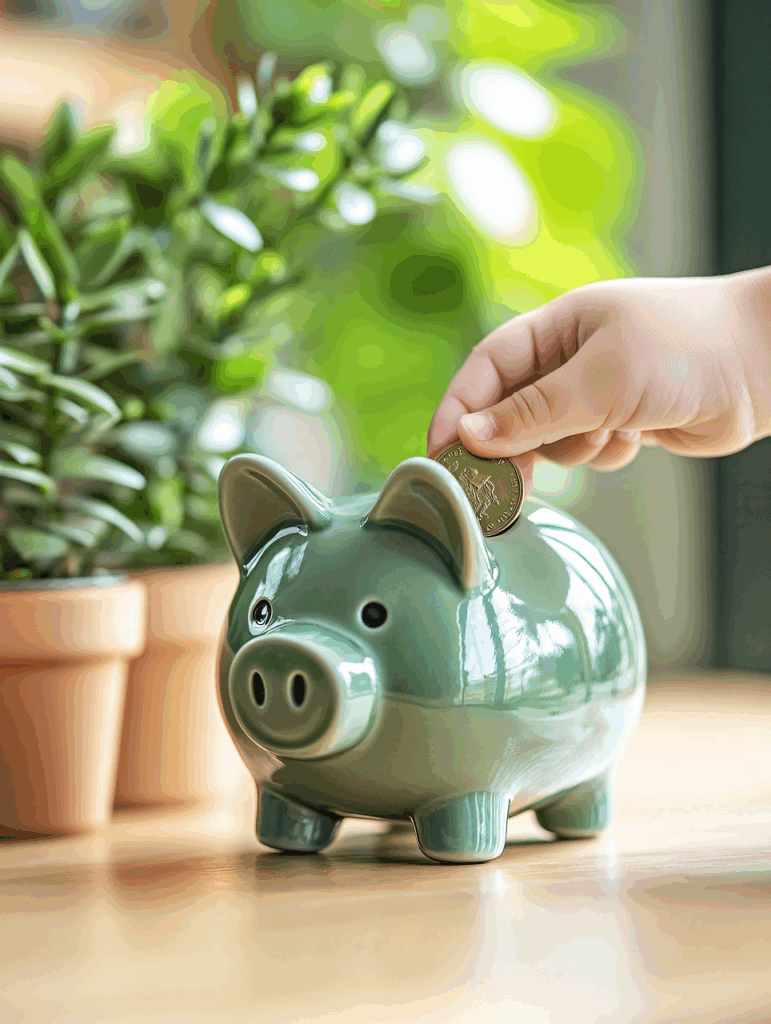
When starting an art collection in your 20s, it’s crucial to establish a financial plan that balances your passion for art with practical budgeting.
Determine Your Budget
Firstly, assess your income and expenses to decide how much you can realistically allocate to art collecting. Create a detailed budget, factoring in all of your current financial obligations:
- Monthly Income: Record your total monthly earnings.
- Expenses: List all monthly expenses, such as rent, bills, groceries, and savings.
- Disposable Income: Calculate the amount remaining that could be set aside for art.
Art Budget: From your disposable income, decide on a percentage that you are comfortable dedicating to art purchases. Stick to this budget to avoid financial strain.
Consider Art as an Investment
Art can be more than decorative; it may also serve as an investment. However, not all art will appreciate in value. Here’s what to consider:
- Art Market Research: Understand that art valuations can fluctuate. Read articles or resources like How to Start Collecting Art in Your 20s to get a sense of the market.
- Diversification: Just as with stocks, consider diversifying your art investments. This may help mitigate risk.
- Long-Term Perspective: Be prepared to hold onto your art for many years. Art is a long-term investment and may not yield immediate returns.
Remember, while art can be an investment, its market is less predictable than traditional investments. Buy art you love, and view potential financial appreciation as a bonus.
Acquiring Artwork
Starting an art collection in your 20s is an exciting venture that blends personal passion with investment potential. Your journey involves exploring various venues and learning the ins and outs of the art market.
Attending Galleries and Art Fairs
Galleries: Visiting local and renowned galleries is an excellent way to immerse yourself in the art scene. You’ll encounter a range of styles and mediums, and gallery staff often provide valuable insights into the artwork and artists. Remember, entry is typically free, and there’s no pressure to buy. Build relationships with gallery owners and artists, as they can offer guidance and notify you of upcoming pieces that might align with your taste.
Art Fairs: Art fairs, such as the Armory Show in New York City, bring together works from multiple galleries worldwide, giving you access to a broad array of art in one place. Tickets are required, but the experience of seeing a variety of contemporary and modern art is invaluable. Make a note to attend previews or VIP events for a less crowded experience and the first pick of artworks.
Navigating Online Art Spaces
Online Galleries and Platforms: Purchasing art online has never been easier with platforms like Artsy and Art span, which gather thousands of artworks for you to discover from the comfort of your home. Online galleries often provide detailed information about the art, artists, and purchasing process.
Social Media: Artists and galleries frequently use social media to display their collections. Following your favorite artists on platforms like Instagram can keep you updated on their latest creations and exhibitions.
Remember, art should resonate with you personally, so take your time and enjoy the process of finding pieces that speak to you. Happy collecting!
Caring for Your Collection
As you embark on your art collecting journey, protecting your investment and ensuring the longevity of each piece is paramount. This goes beyond mere possession, focusing on the preservation and maintenance of your art.
Art Insurance and Protection
Purchasing art insurance is one of the first steps you should take after acquiring a new piece. Art insurance protects against theft, damage, and even some natural disasters, which are risks that regular homeowner’s insurance may not fully cover. Make sure to document your collection thoroughly, keep updated appraisals, and choose a policy that best suits your collection’s value and your specific needs.
Proper Art Storage and Maintenance
To maintain the pristine condition of your art, proper storage and maintenance are essential. Consistent climate control is crucial to prevent damage from humidity and temperature changes. Use archival-quality frames and mounts for displaying artwork and consider UV-protected glass to shield pieces from light damage. Regularly dust your artwork with a soft, dry cloth and consult a professional for any cleaning that goes beyond simple dusting.
By being attentive to these aspects, you’ll ensure your collection can be appreciated for years to come.